Inspection methods
Static vs. Dynamic Suspension Inspection: What Can Each Test Reveal?
By Truck Saver Toys · · 3 min read
A parked vehicle and a vehicle responding to movement can tell a technician different things. A useful suspension inspection combines observations from the appropriate tests. The question for a shop is how each method helps answer the customer’s complaint and what evidence is needed before recommending work.
What a stationary inspection can establish
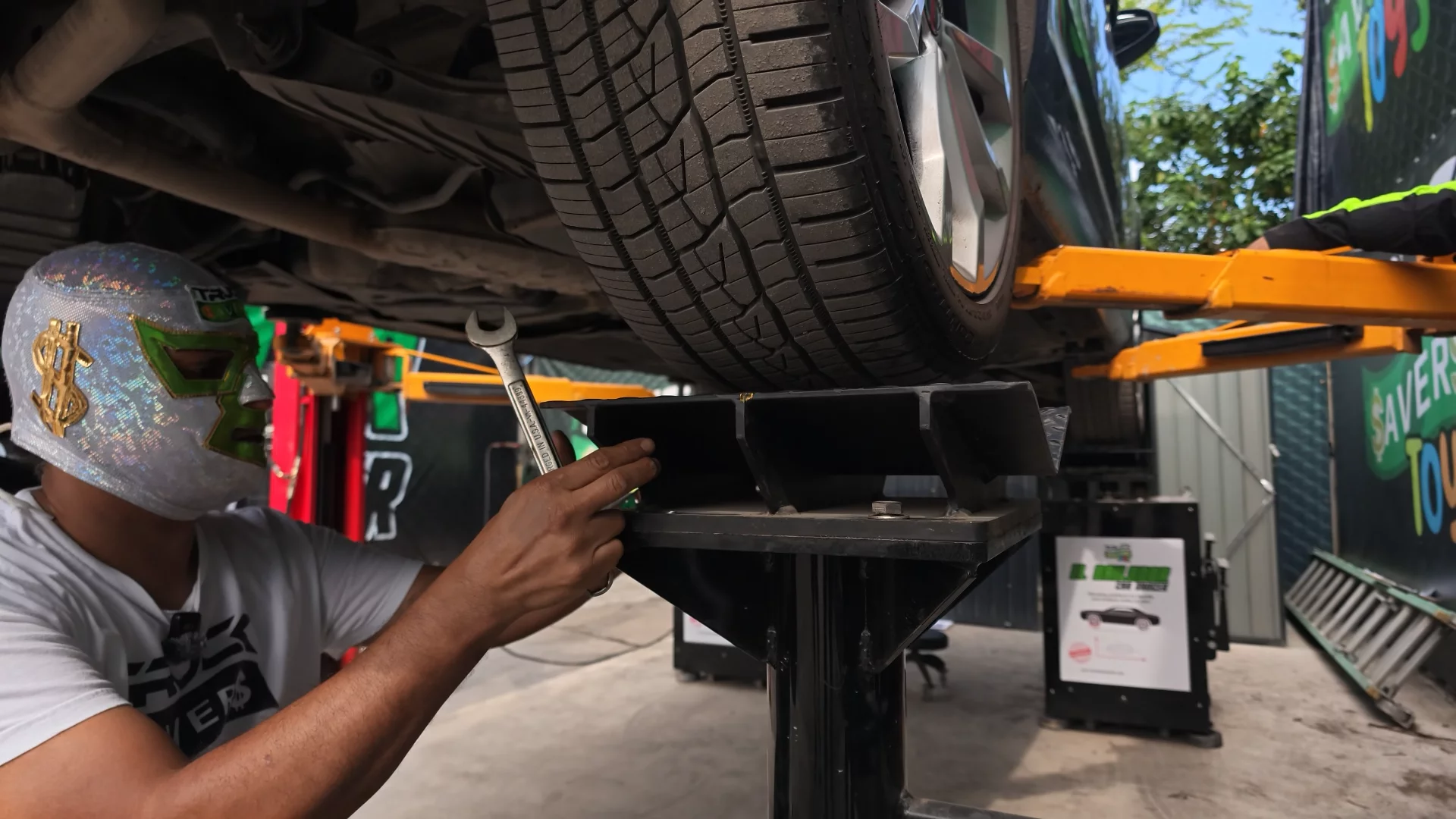
A stationary inspection provides a starting point. Depending on the vehicle and access, the technician may see damaged boots, leaking components, loose attachments, corrosion, or contact marks. Appropriate manual checks and measurements can help evaluate a suspected area.
“Static” does not mean that the technician never moves a wheel or joint. It means the test does not recreate the broader conditions of vehicle operation. The procedure may still require specific support points, loading conditions, tools, and directions of applied force.
What movement adds to the investigation
A complaint can depend on a change in position or load. Observing a supported vehicle as it responds to controlled movement can help the technician investigate the relationship between a sound, a moving assembly, and the customer’s description.
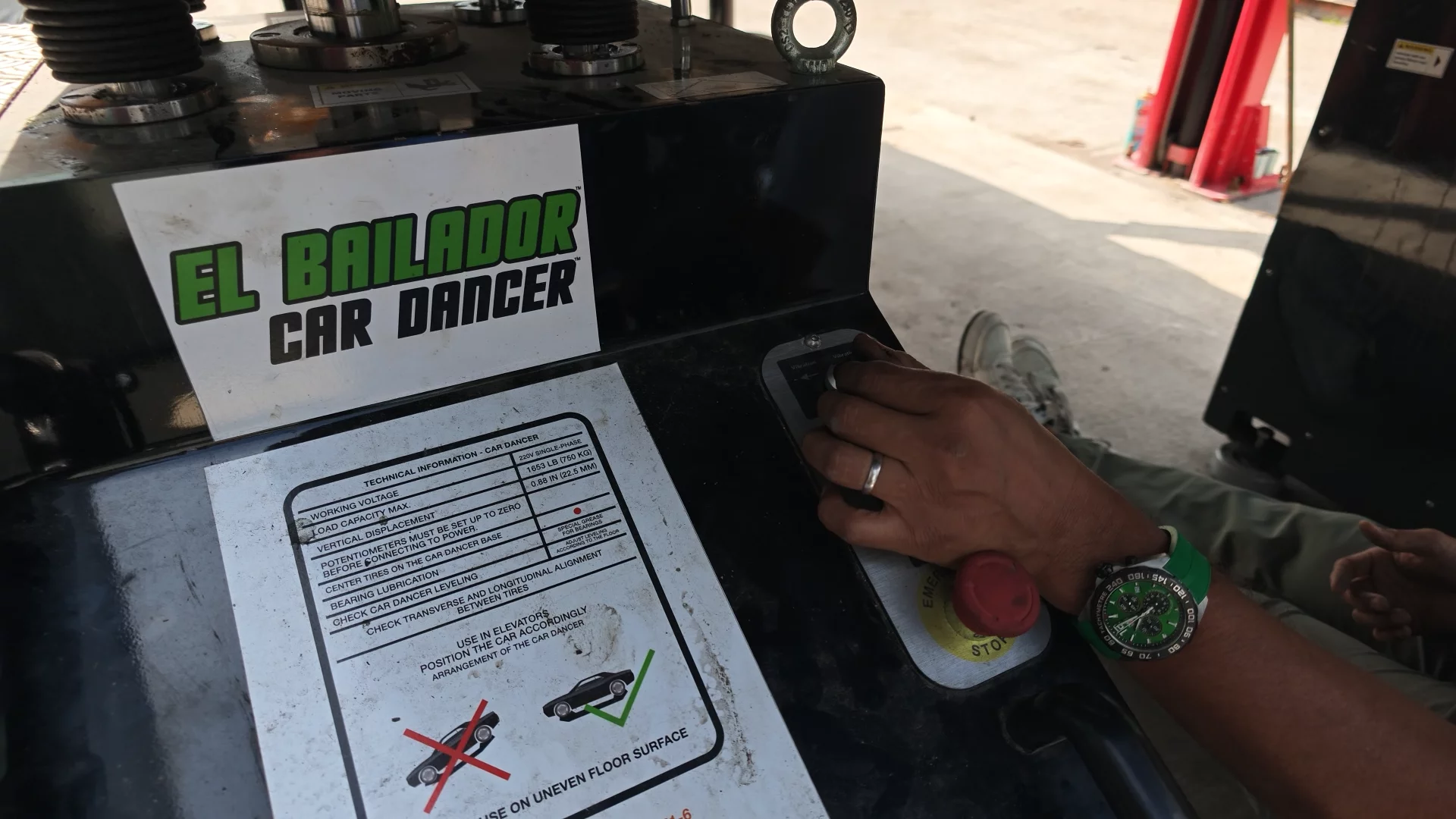
El Bailador™ is a Car Dancer road simulator for cars, SUVs, and pickups. In a workshop demonstration, its platforms move the supported vehicle while the inspection is performed. The aim is to make useful observations, not simply produce a dramatic video of a vehicle shaking.
Compare the questions each test answers
These questions are connected. A road simulator does not replace the technician’s judgment, service information, or measurements. A quiet dynamic test also cannot certify an entire suspension as fault-free.
- Stationary observation: Is there a visible condition that warrants further checking?
- Specified manual check: Is the component’s movement within the applicable criteria?
- Dynamic observation: Under the conditions tested, where does the reported sound or movement occur?
- Confirmation: Does the evidence support the proposed diagnosis and repair?
Car shaker, road simulator, and play detector are not identical specifications
You may encounter “car shaker,” “automotive road simulator,” “suspension tester,” or “suspension play detector” when researching equipment. Compare what the actual machine does: some equipment moves plates to help investigate play, while other designs introduce a different type of vehicle movement.
An automotive noise finder can mean an electronic listening tool with probes or microphones. It gathers sound rather than creating the same movement as a platform. Those tools can serve different purposes within a diagnostic process. A category name alone is not enough to decide whether equipment matches your shop.
Document the sequence, not just the conclusion
For a useful inspection record, capture the complaint, the initial condition, the test performed, the observation, and the technician’s confirmation. If a part is recommended, explain which finding supports that recommendation and what follow-up is needed.
The same discipline improves a product demonstration. Ask to see the inspection workflow on an appropriate vehicle, then discuss access, vehicle compatibility, training, and the documentation your team would use. A strong demonstration should help you understand both what the equipment reveals and the work the technician still needs to do.
Further reading
Continue exploring
Diagnosing noise
Why Does Suspension Noise Disappear When the Car Is on a Lift?
A clunk on the road can go quiet in the service bay. Learn how load and movement affect suspension noise and how a road simulator supports diagnosis.
Read the guide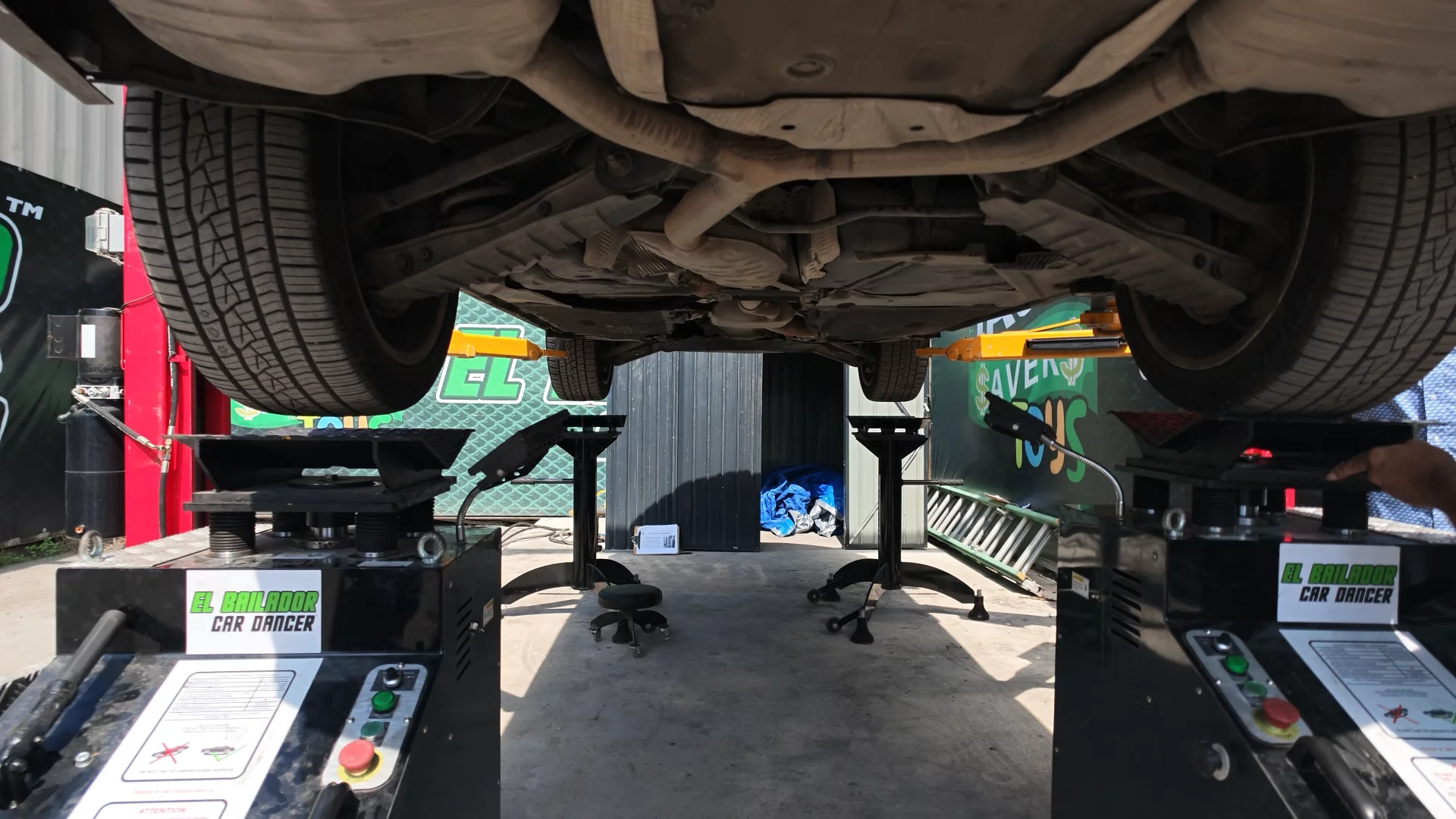
Equipping your shop
What to Check Before Buying Suspension Diagnostic Equipment
Compare vehicle compatibility, bay requirements, training, support, and the diagnostic workflow before choosing a Car Dancer or automotive road simulator.
Read the guide