Equipping your shop
What to Check Before Buying Suspension Diagnostic Equipment
By Truck Saver Toys · · 3 min read
Buying suspension diagnostic equipment starts with the work your shop wants to improve. Is your team struggling to reproduce intermittent noises, explain findings, or investigate a complaint that returns after previous repairs? Define the problem first, then evaluate the equipment against that workflow.
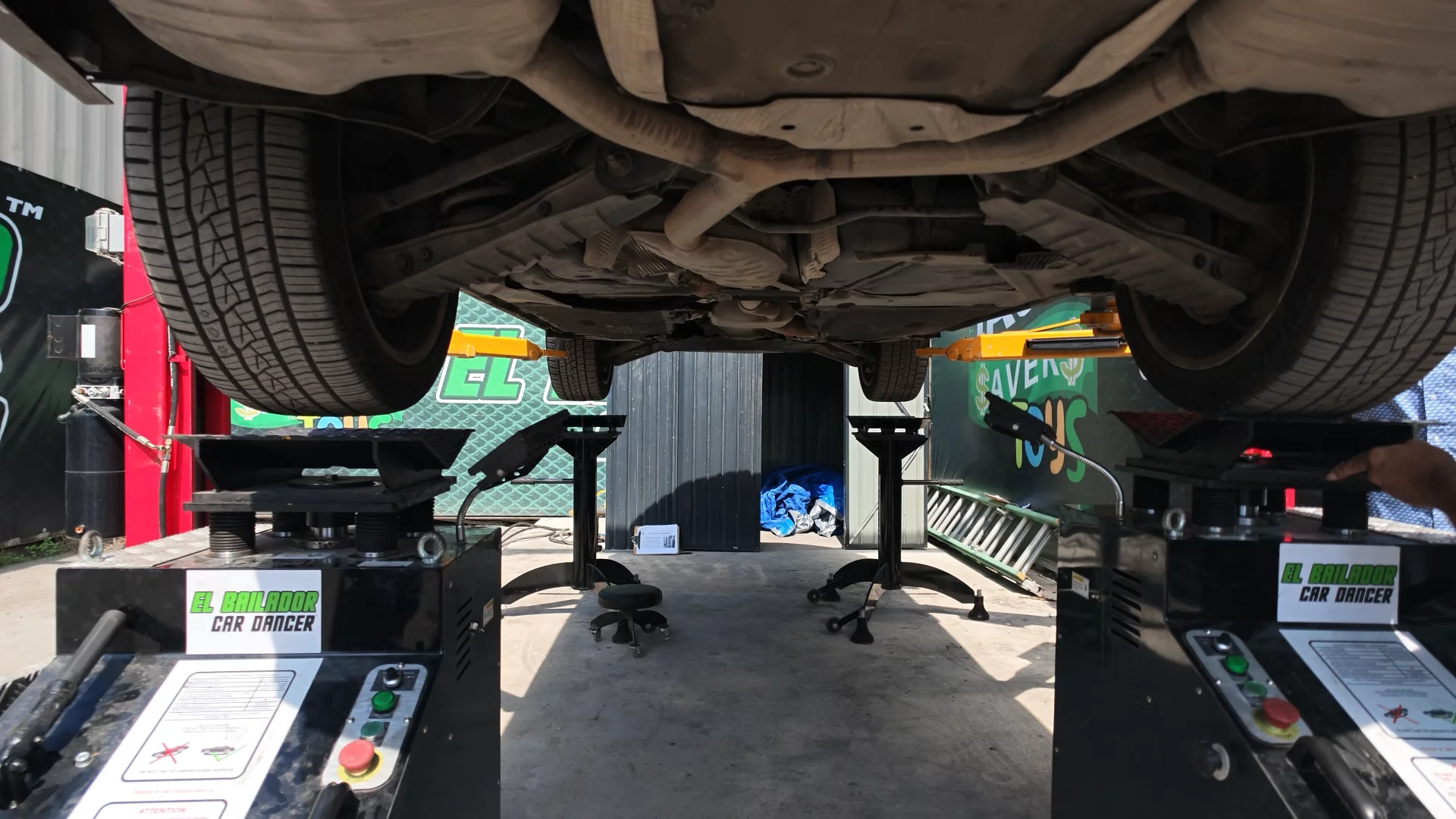
1. Compare the machine, not just its name
Car Dancer is the name we use alongside El Bailador™. Buyers may also look for a car shaker, automotive road simulator, suspension inspection machine, or suspension noise diagnostic equipment. These are useful descriptions to discuss, but they do not guarantee that two machines operate in the same way.
Ask the supplier to demonstrate the actual model. What moves? How is the vehicle supported? What can the technician observe? A shock-performance tester, a plate-based play detector, and a road-simulation platform should not be treated as interchangeable simply because all appear in a search for “suspension tester.”
2. Confirm the vehicles and installation
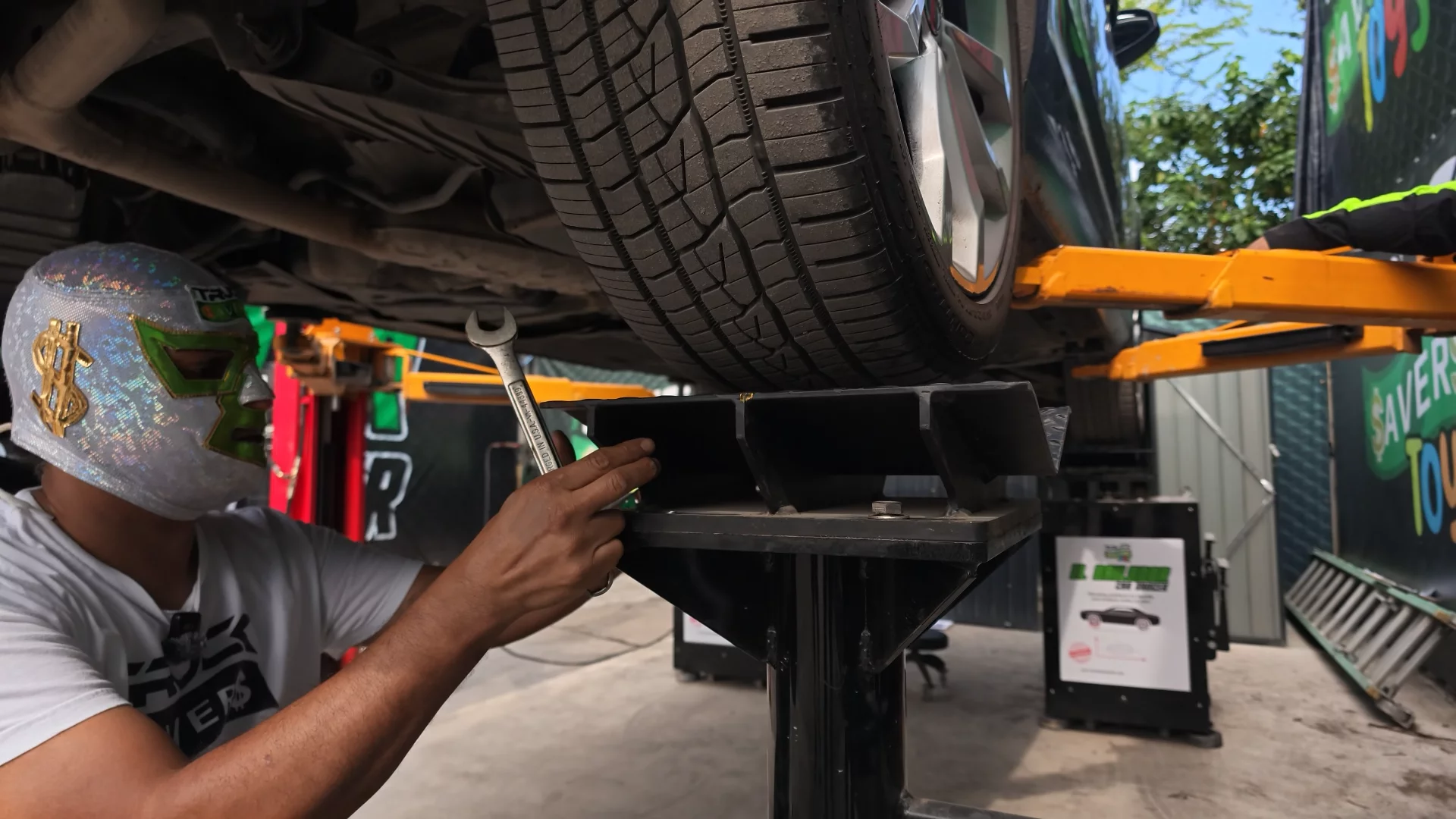
The Toys version of El Bailador™ is intended for cars, SUVs, and pickups. Discuss the actual vehicles your shop services and obtain the model’s verified capacity, dimensions, support requirements, electrical needs, and operating instructions. Do not infer heavy-truck compatibility from the Truck Saver Toys name.
Map the equipment into a real bay: vehicle access, lift compatibility where applicable, technician working space, positioning, and the route used to bring a vehicle in and out. Request written requirements for the quoted configuration before planning installation.
3. Ask for training that follows a diagnosis
A useful demonstration should cover the inspection sequence, equipment positioning, operation, interpretation of observations, and documentation. Ask what the operator needs to know before the first customer vehicle is inspected and what ongoing support is included.
Have the team explain a finding back to you. If the demonstration ends with “the car moved,” the diagnostic question has not been answered. You need to understand how the equipment supports the technician’s decisions.
4. Listen to the shop’s experience in context
In his filmed feedback from Williams Auto Repair, Kevin describes using his personal vehicle during a demonstration and writing estimates after customer vehicles were inspected. He says the machine performed as discussed. His comments offer a shop-side view of that visit and a starting point for questions during your own demonstration.
For your business case, record your shop’s baseline: diagnostic time, repeat visits, estimates presented, authorized repairs, training time, and ownership costs. Estimates and paid work are different stages. Measure the results in your own operation rather than assuming one demonstration predicts a return.
5. Get a quote you can evaluate
If El Bailador™ fits the diagnostic questions your shop is trying to answer, request a demonstration with Truck Saver Toys. Tell us about the vehicles you service and the inspection challenges your technicians face so the conversation starts with your shop’s needs.
- Identify the model and configuration included in the quote.
- Confirm installation requirements and what delivery includes.
- Review training, support, maintenance, and warranty terms in writing.
- Discuss vehicle compatibility with examples from your shop.
- Agree on the next step after the demonstration.
Hear the shop’s experience
Continue exploring
Diagnosing noise
Why Does Suspension Noise Disappear When the Car Is on a Lift?
A clunk on the road can go quiet in the service bay. Learn how load and movement affect suspension noise and how a road simulator supports diagnosis.
Read the guide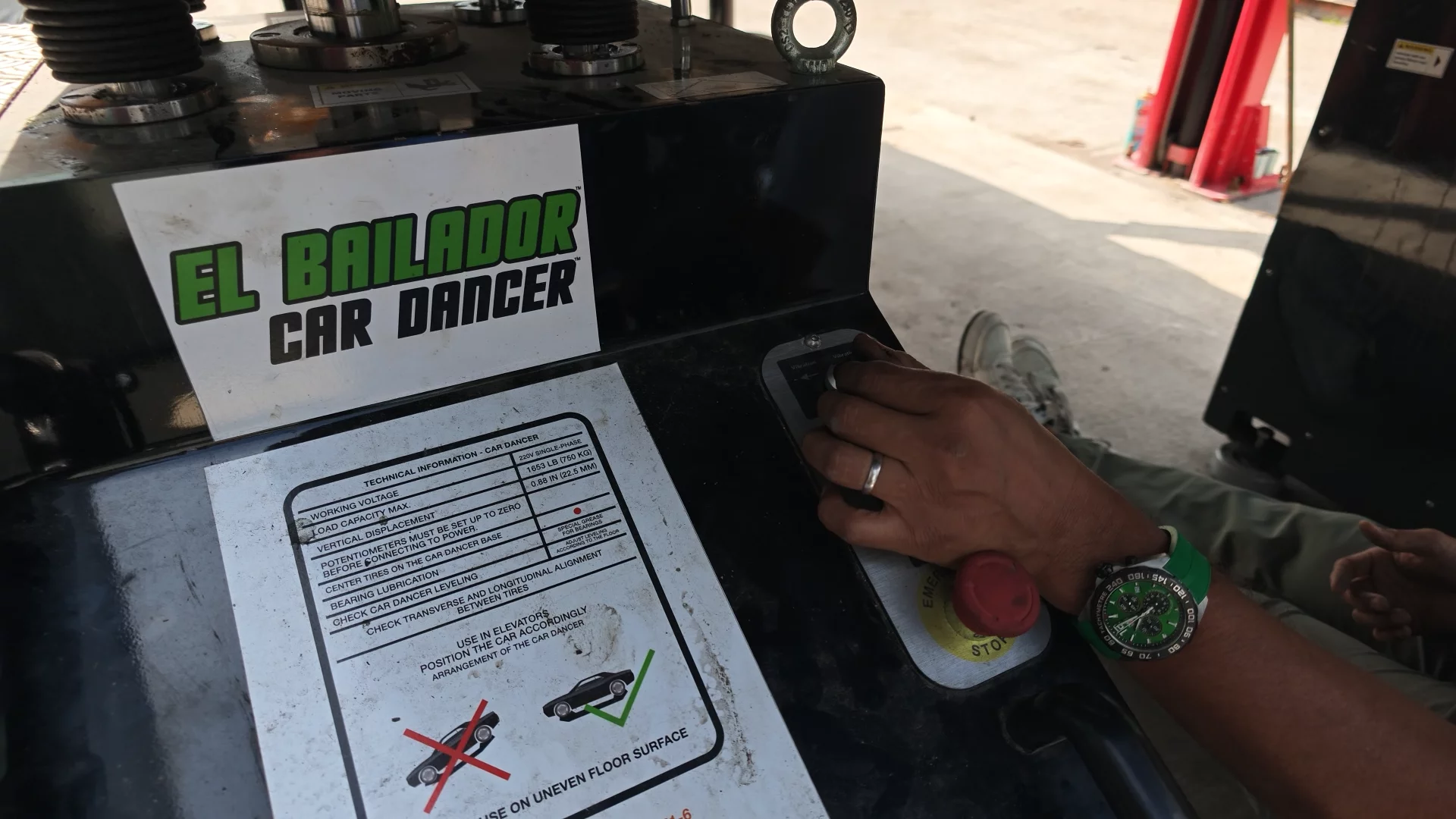
Inspection methods
Static vs. Dynamic Suspension Inspection: What Can Each Test Reveal?
Compare stationary checks with suspension inspection in motion. See where a Car Dancer road simulator fits in a technician’s diagnostic workflow.
Read the guide