Customer communication
How to Show Customers a Suspension Fault With Video Evidence
By Truck Saver Toys · · 3 min read
A customer should be able to understand why a repair is recommended. A short inspection video can help when it shows the right thing: the vehicle being tested, the condition the technician observed, and an explanation connecting that finding to the concern. A dramatic clip without context can create more questions than it answers.
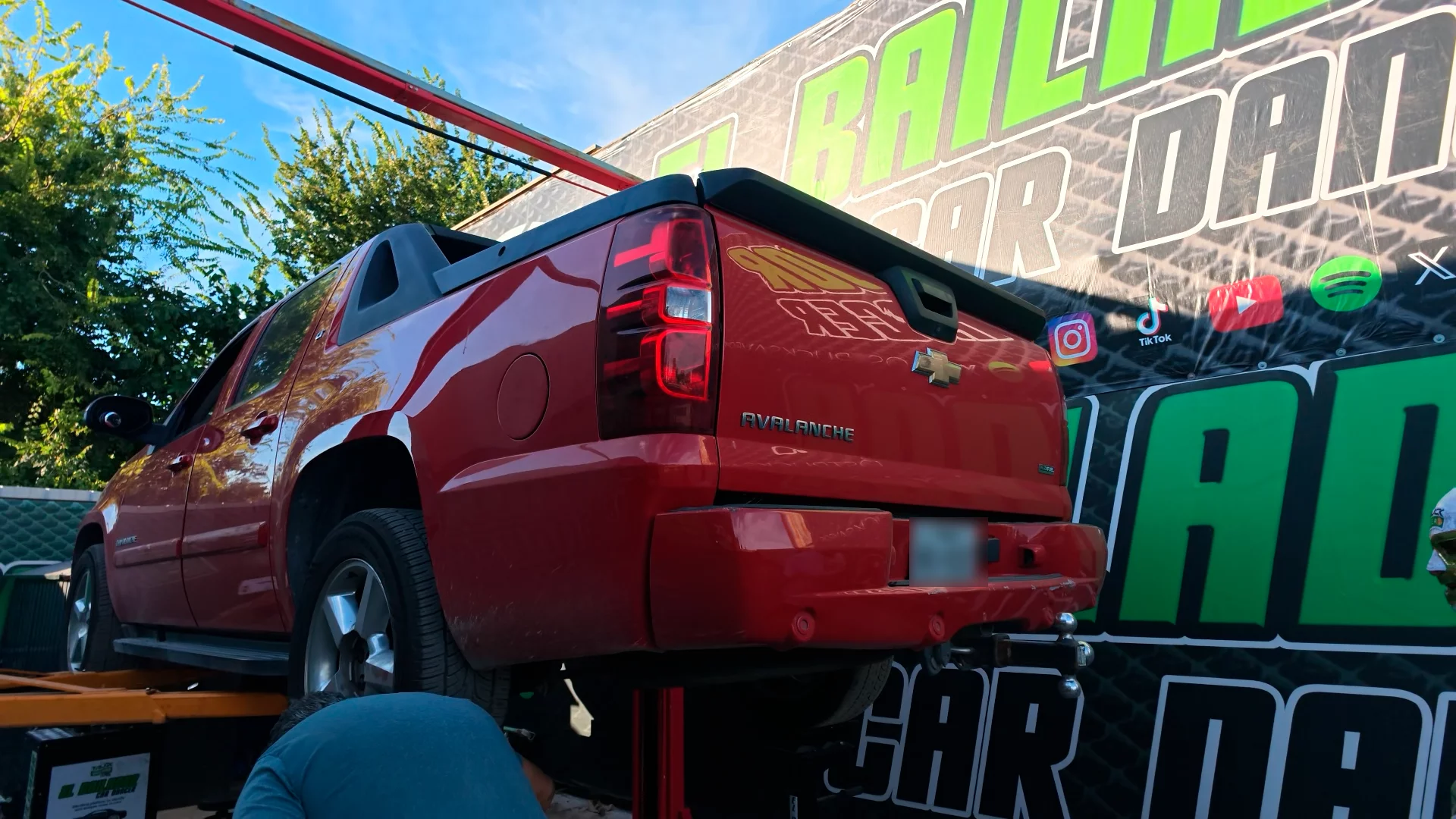
Begin with the customer’s question
Record the symptom before the inspection. If the customer reports a clunk over bumps, that is the question the explanation needs to address. A general view of the underside may be useful, but it does not by itself connect a component to that clunk.
Use a simple sequence: customer concern, test conditions, observation, confirmation, and recommendation. This keeps the explanation about evidence instead of turning it into a list of parts.
Show enough context to understand the test
Include a view that identifies the area being inspected and a closer view of the relevant observation. Explain whether the wheels are supported, what test is being performed, and what the technician is evaluating. Use the applicable vehicle procedure when deciding whether observed movement is acceptable.
El Bailador™—also described as a Car Dancer or automotive road simulator—can be part of this record when controlled movement helps reproduce a complaint. The video should show what the technician is investigating. It should not imply that every visible movement is a defect or that the machine makes the repair decision.
Use the customer’s perspective without enlarging the claim
In a testimonial on the Truck Saver Toys YouTube channel, Guillermo, who also goes by William, describes the difference between hearing about the equipment and seeing it in person. He says he first learned about it through Facebook. His feedback highlights the value he places on seeing the demonstration for himself.
That perspective is useful for a shop planning customer explanations. It is not a reason to promise that every viewer will authorize work. Make the finding clear and give the customer the information needed to decide.
Separate the observation from the recommendation
Avoid naming a failed part before the finding has been confirmed. If further diagnosis is required, say what remains to be checked. A clear explanation can acknowledge that uncertainty without losing the thread of the customer’s complaint.
- Observation: Describe what is visible or audible in this test.
- Confirmation: Explain the additional check or criterion supporting the diagnosis.
- Recommendation: Identify the work proposed and why it addresses the finding.
- Follow-up: Explain how the result will be checked after the work.
Keep the recording useful and respectful
Capture the diagnostic area rather than unrelated customer information. Obtain permission before using a customer’s image, voice, or vehicle in public marketing, and keep private records out of the frame. Use the original observation rather than editing the clip to exaggerate motion or sound.
A shop considering suspension diagnostic equipment should ask to see how a demonstration would be explained to a customer. Request an El Bailador™ demo, bring your inspection questions, and discuss how your team could document the work in its own bays. The useful outcome is a finding the technician can support and the customer can understand.
Continue exploring
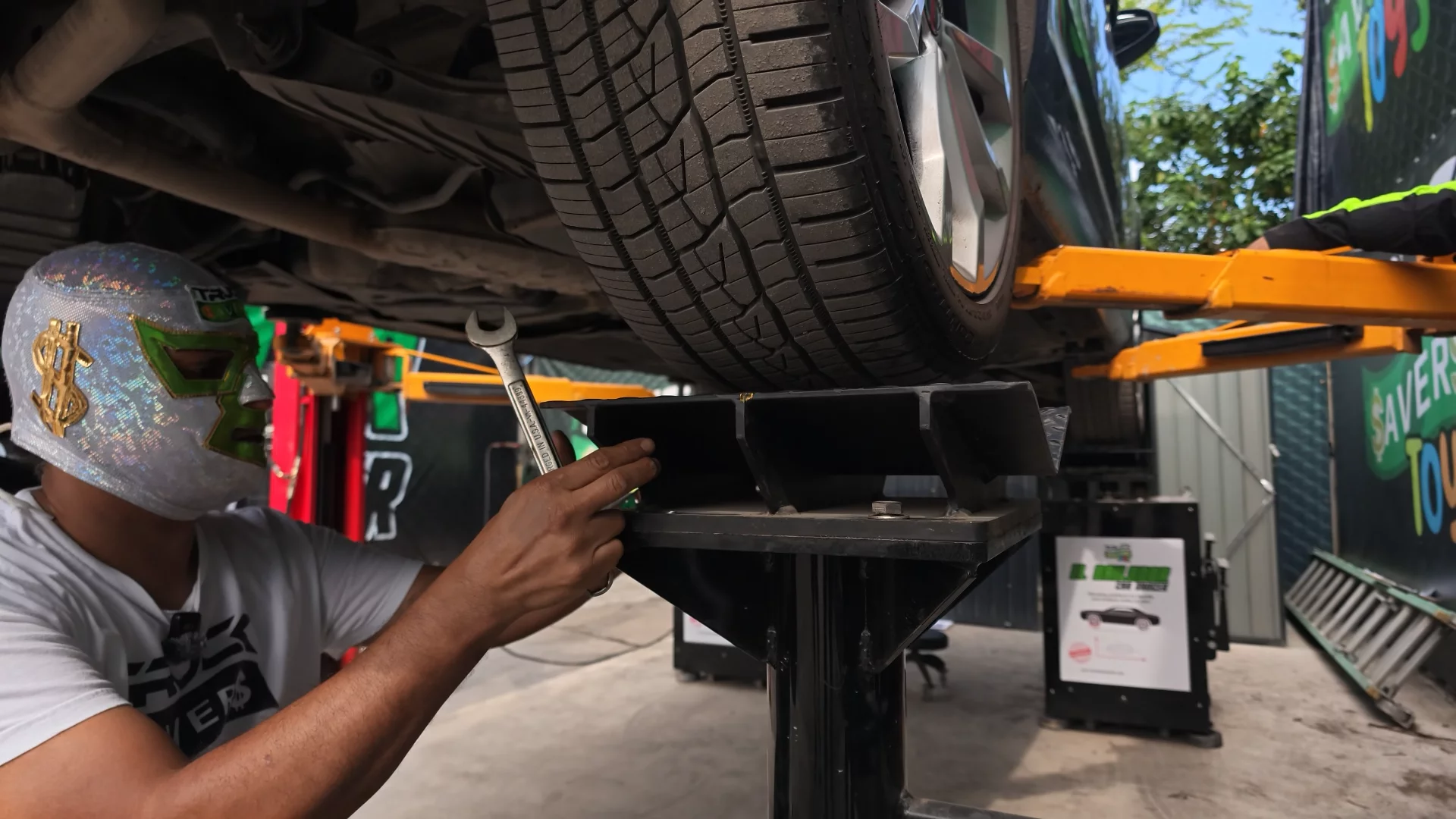
Diagnosing noise
Why Does Suspension Noise Disappear When the Car Is on a Lift?
A clunk on the road can go quiet in the service bay. Learn how load and movement affect suspension noise and how a road simulator supports diagnosis.
Read the guide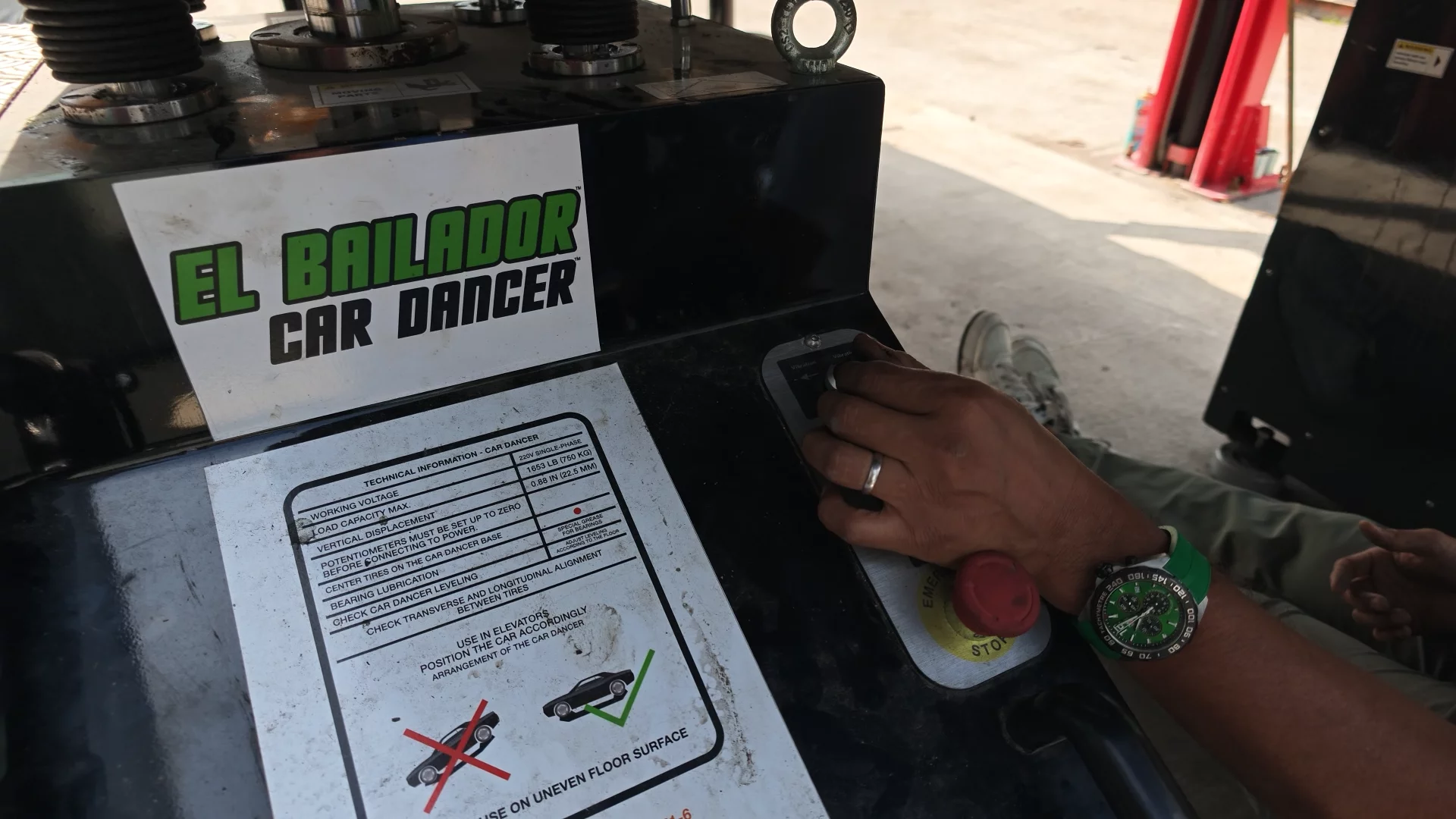
Inspection methods
Static vs. Dynamic Suspension Inspection: What Can Each Test Reveal?
Compare stationary checks with suspension inspection in motion. See where a Car Dancer road simulator fits in a technician’s diagnostic workflow.
Read the guide